



 Hot Promotions
 Women's
 Bottom Wear
 Western Wear
 Lingeries & Sleepwear
 Maternity Wear
 Men's
Men's
 Men Top Wear
 Men Bottom Wear
 Men Inners


 English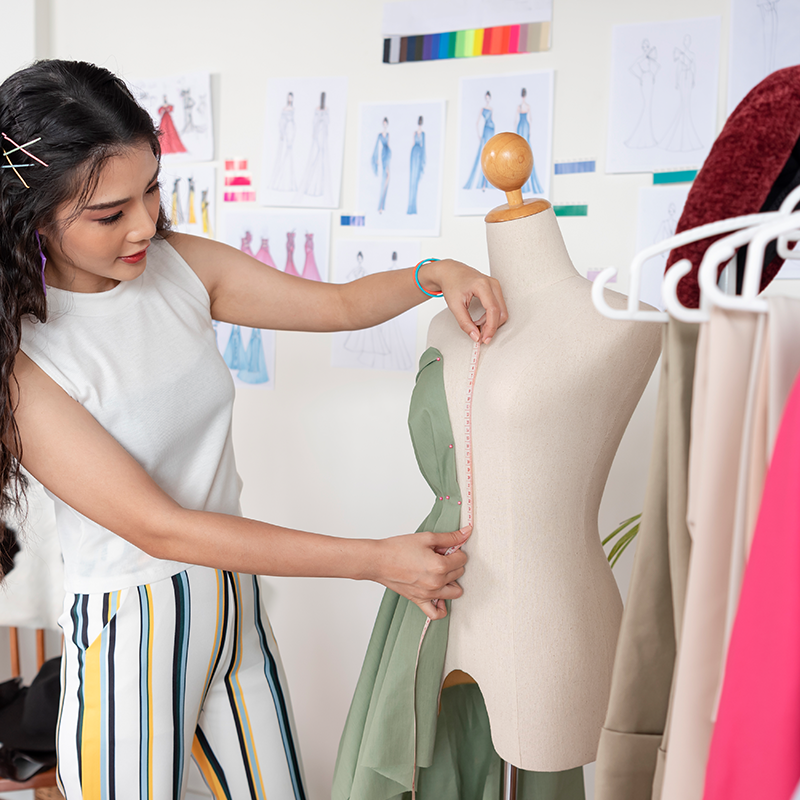


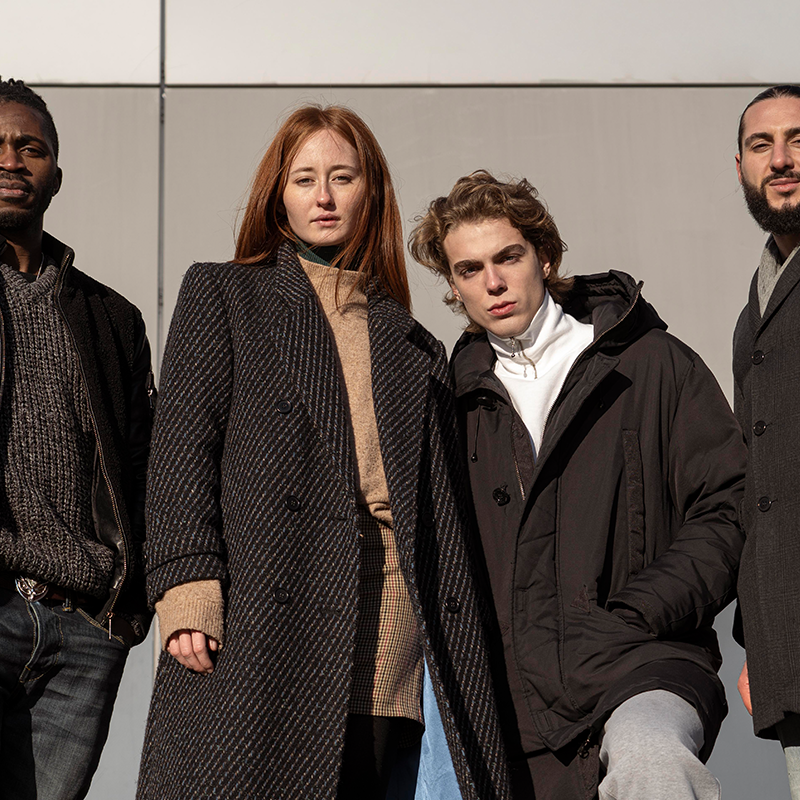
When it comes to clothing, the perfect fit is a game-changer. It’s not just about wearing the latest trends; it’s about making sure your clothes flatter your body shape and feel like a second skin. Tailoring isn’t reserved for bespoke suits or high-end fashion—it’s an accessible way to elevate your wardrobe and embrace your unique proportions. Let’s dive into tailoring tips that ensure every piece in your closet looks and feels perfect.
Understand Your Body Shape
The first step to achieving the perfect fit is understanding your body shape. Whether you have an hourglass, pear, apple, rectangle, or athletic frame, knowing your proportions can guide your tailoring choices.
Hourglass Shape: Opt for clothing that highlights your waist, like tailored dresses and cinched tops.
Pear Shape: Balance your silhouette with structured tops and A-line skirts.
Apple Shape: Choose flowy tops and avoid tight fits around the midsection.
Rectangle Shape: Add curves with ruffled or pleated designs.
Athletic Shape: Emphasize your shoulders and waist for a balanced look.
Tailoring ensures that each garment complements your natural shape, enhancing your best features.
Focus on Key Areas
Certain parts of your clothing can make or break the fit. When altering your garments, pay attention to these areas:
Shoulders: Shoulder seams should sit perfectly at the edge of your shoulders. This simple adjustment can instantly make a blazer or shirt look polished.
Length: Whether it’s pants, skirts, or dresses, the hemline plays a significant role in overall aesthetics. Tailor your pieces to hit the most flattering part of your legs.
Waist: A properly fitted waistband can create a more defined silhouette. Look for darts or cinching techniques to refine the fit.
Tailoring Tips for Common Clothing Items
Different types of garments require specific tailoring approaches to achieve the perfect fit:
Shirts and Blouses: Adjust sleeve lengths and nip the waist for a cleaner silhouette. Avoid overly loose or tight fits.
Pants and Jeans: Focus on the waistband and the length. Cropped styles should end just above the ankle, while full-length trousers should graze the top of your shoes.
Dresses: Add darts to accentuate your waist, or adjust hemlines to fit your height perfectly.
Invest in Alterable Basics
When shopping, look for pieces that are easy to tailor. Classic items like button-down shirts, blazers, and straight-leg trousers are staples that can be customized to fit you flawlessly. These versatile items work as a canvas for tailoring adjustments that refine your look.
When to Visit a Tailor
While some alterations, like hemming, can be done at home, complex adjustments are best left to professionals. A skilled tailor can reshape garments, ensuring a perfect fit without compromising the integrity of the fabric.
Confidence in Every Stitch
Tailoring isn’t about forcing yourself to fit into clothes; it’s about making clothes fit you. The right adjustments can transform even an off-the-rack item into a custom-looking piece, boosting your confidence and comfort. Remember, the perfect fit is not a luxury—it’s a necessity for a wardrobe that works for you.
Embrace these tips, and let your wardrobe celebrate your unique anatomy with style and sophistication!
